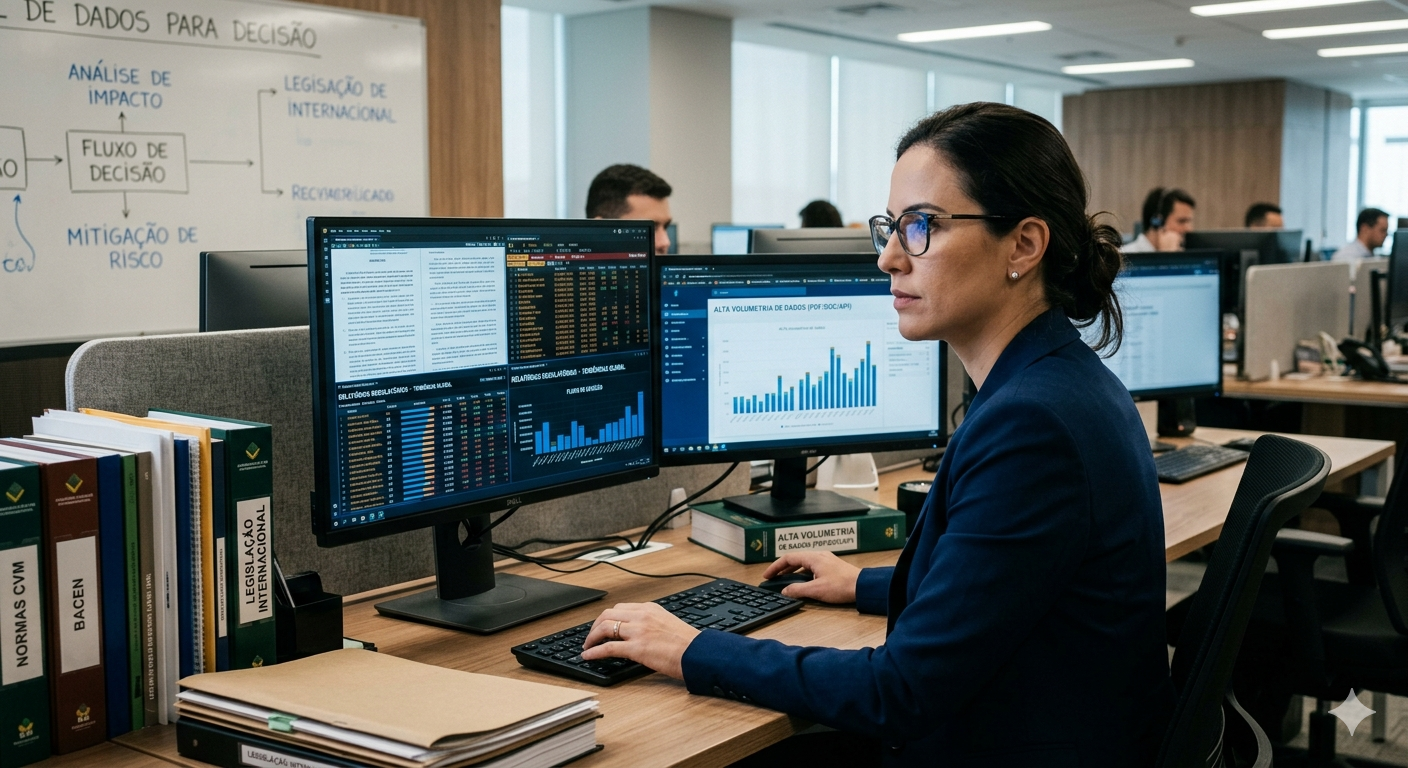
Working with political and regulatory issues is, in essence, a process of transforming information into stakeholder mobilization, whether internal to the organization, such as areas that need to adjust processes and products to new obligations, or decision-makers and influencers, who through legal instruments or persuasion define the company's business environment.
If we look closer, every stakeholder is communicating through texts, gestures, sounds, and images. All this information is captured by professionals who work with political and regulatory issues, either directly, through in-person or remote interlocution, or indirectly, which is the collection of records transmitted through documents stored in databases or files.
In the past, not too long ago, a large part of the information was collected directly, as the cost of producing, storing, and distributing documents was prohibitive to be done daily. Therefore, professionals had to rely largely on information collected directly with stakeholders, and a scarce amount of documents, whether official or not. This required a unique analytical skill and deepening, as it was necessary to fill in the missing information from extrapolations generated by careful analyses, founded on a lot of theory and practical knowledge.
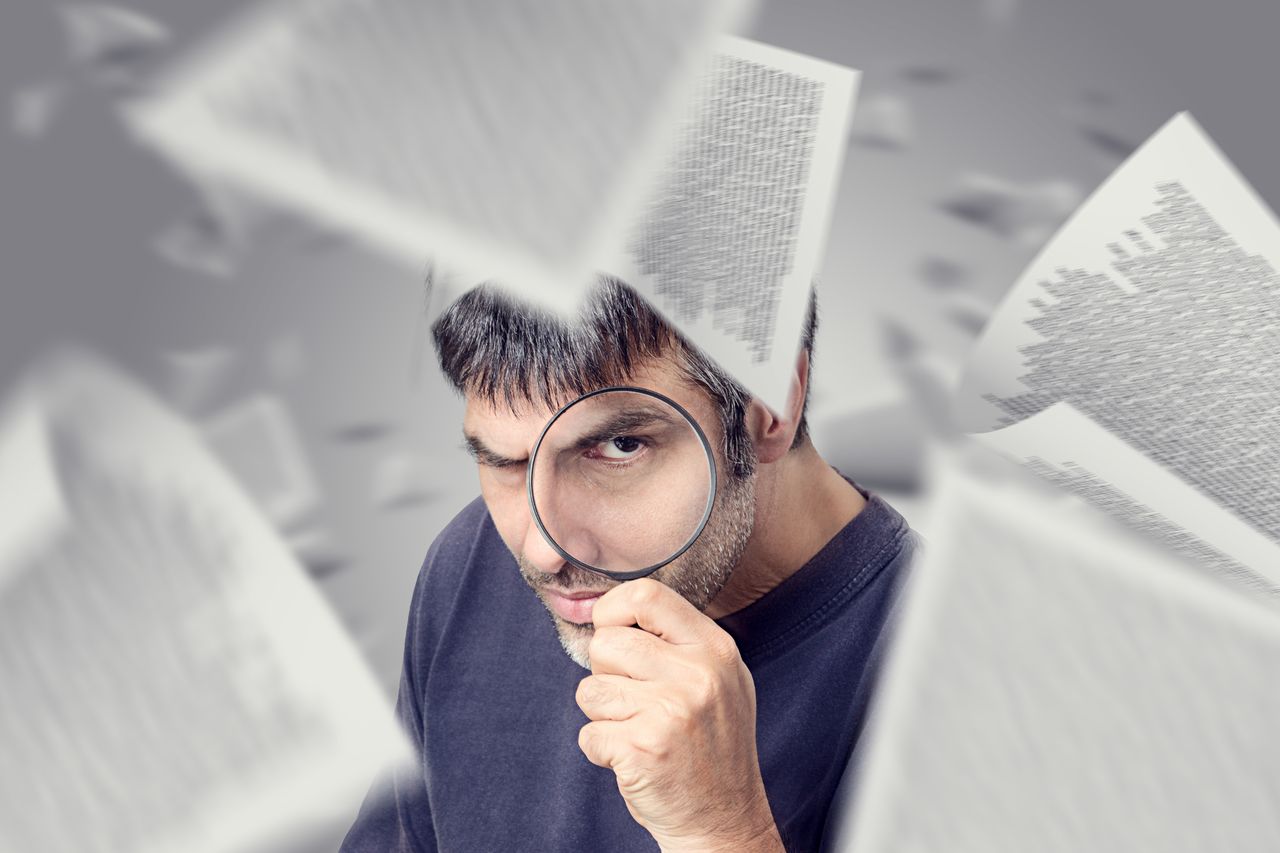
However, this balance between direct and indirect information began to invert with the information technology revolution. With the exponential increase in document availability, due to the reduction in generation, storage, and distribution costs, in addition to direct information, the professional now has to deal with a large amount of indirect information. Significantly increasing the analysis work, as a large part of this information needs to be cleaned and structured so that it is useful, bringing that feeling of FOMO (Fear Of Missing Out), that some very critical data was not analyzed due to lack of time, generating anxiety, frustration, and even burn-out.
And contrary to our intuition, the excess of information can end up worsening the quality of the final analysis, because the time available in the day has remained relatively the same, but the amount of work increases significantly, since 80% of the analysis work is allocated to data cleaning. In other words, the more data, the more work. In practice, to an inattentive eye, it can mean analyses full of data but shallow, which lead to bad decisions.
Now, does this mean we cannot use the power of data to make our analyses more accurate and decisions smarter?
No, of course we can and should use data. The issue revolves around the tooling, which until recently was unavailable to the general public. You have probably heard of ChatGPT and other similar solutions, right? They are a category of solution within an area we call LLMs (Large Language Models), and in practice and in a very simplified way, it manages to estimate the probability of the next word given the context of all the previous words.
And how can this technology help us with the information overload?
Basically, these technologies are excellent tools to summarize and condense information given a specific contextual cut, helping to direct our gaze to what we want to find given a certain moment. This is excellent news for anyone who works with a high volume of complex texts daily, and we at Sigalei are incorporating this into our system.
However, some care must be taken, these LLM systems have a limited understanding (if we can even say they have any) of the world given by the data with which they were generated. Therefore, there is a chance that false information may be generated, highlighting that the correct setup is critical for us to have real gains.
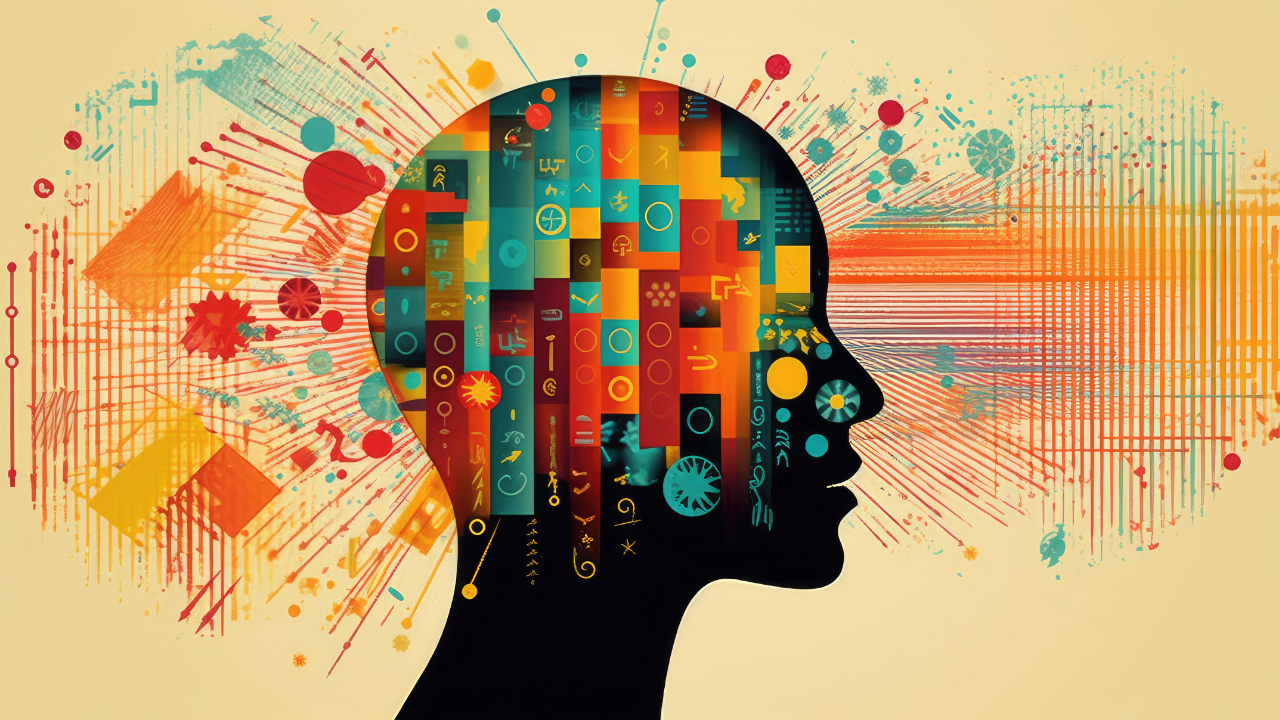
And to conclude, I see a lot of potential, which is still being explored with LLMs, where we will rebalance this relationship of direct or indirect information, allowing us to make sense of the world in a more complete as well as profound way, and finally, reaching the dream of professionals who did not have the wealth of data we have today, but who still managed to do great things.
Now imagine what they could have done with all this potential available today?
I hope this article was useful to you!
If you want to stay updated on news in the world of technology applied to the legal, government and institutional relations, public relations, and regulatory areas, subscribe to our weekly newsletter “Alquimia Digital”.
https://www.sigalei.com.br/assine-nossa-newsletter
Hugs, and until next time
Frederico