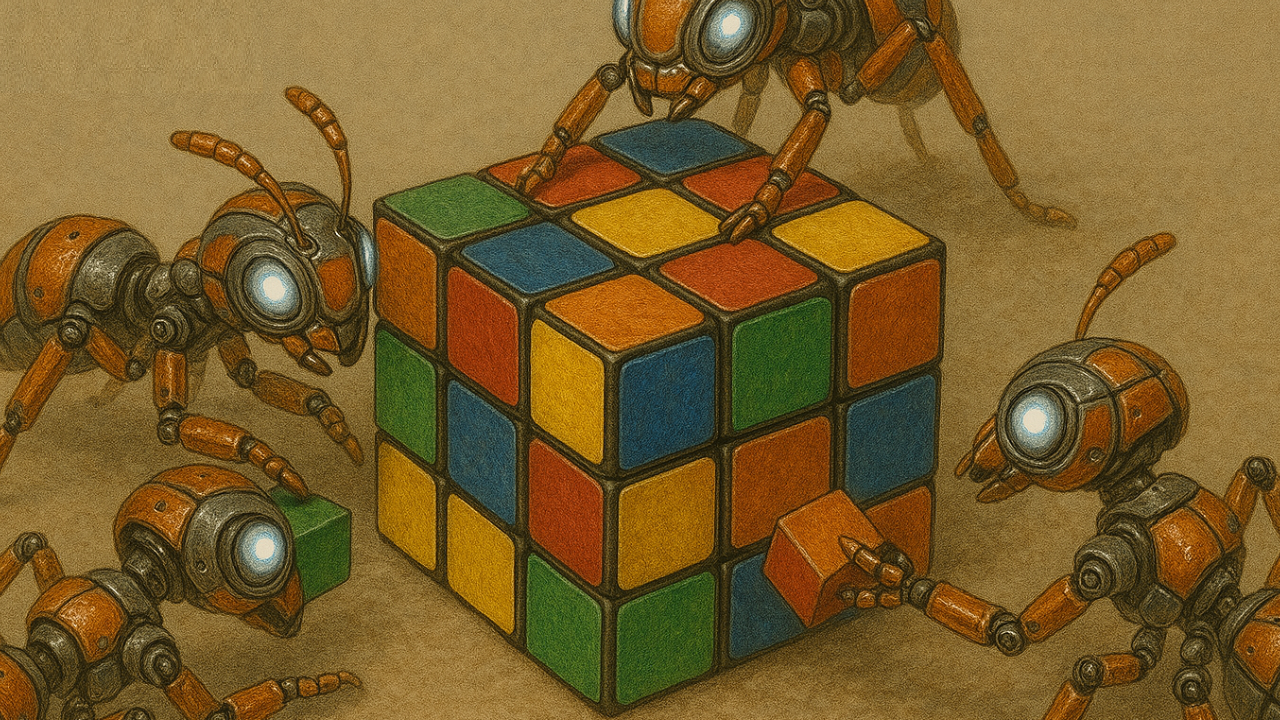

Very powerful, but still very dumb
Calm down, I am not anti-AI (laughs)! I will explain my point of view... and I believe this will help you develop your intuition on how to better apply AI in your daily life.
Recently, I watched an interview with professor Yann LeCun, vice president of Meta and one of the leading experts in artificial intelligence, on the YouTube channel This Is World. He highlighted:
"Currently, AI systems, in many ways, are very stupid. We are fooled into thinking they are smart because they can manipulate language very well..." (Professor Yann LeCun - Meta Vice President)
This view exposes the central paradox: current AIs impress by their fluid manipulation of language, but fail in advanced hierarchical reasoning, which is essential for understanding the real world.
1. Limitations in hierarchical reasoning
Current generative AI is primitive in this aspect, unable to organize information on multiple levels like the human brain. Instead of an intuitive model of reality, it tests countless possibilities until it finds the best response, consuming a lot of energy and limiting itself to specific tasks. Human hierarchical reasoning, on the other hand, prioritizes actions based on past experiences and future projections, ensuring efficiency and accuracy.
To make this clearer, I will illustrate what hierarchical planning is.
Imagine the following situation: you need to leave your home to get to the committee room in the Chamber of Deputies. Our brain is capable of planning each step in detail, from calling an Uber to passing through building security and finding the correct room.
Notice the amount of micro-planning and decisions involved, ranging from simple actions, like brushing your teeth, to delicate procedures, like going through security at the legislative house.
Current AI struggles to prioritize these decisions, define what is essential, and evaluate the impacts of each choice on the final goal. For example: you can postpone brushing your teeth (although not recommended), but you cannot ignore building security, at the risk of being detained (which is definitely ill-advised). Delegating this planning — which seems simple to us — to an AI would likely result in problems.
I recognize that this example is somewhat exaggerated, but it well illustrates the current limitations of AI.
2. How to use AI intelligently
Despite the limitations, AI is not useless; it shines in linear and optimizable tasks.
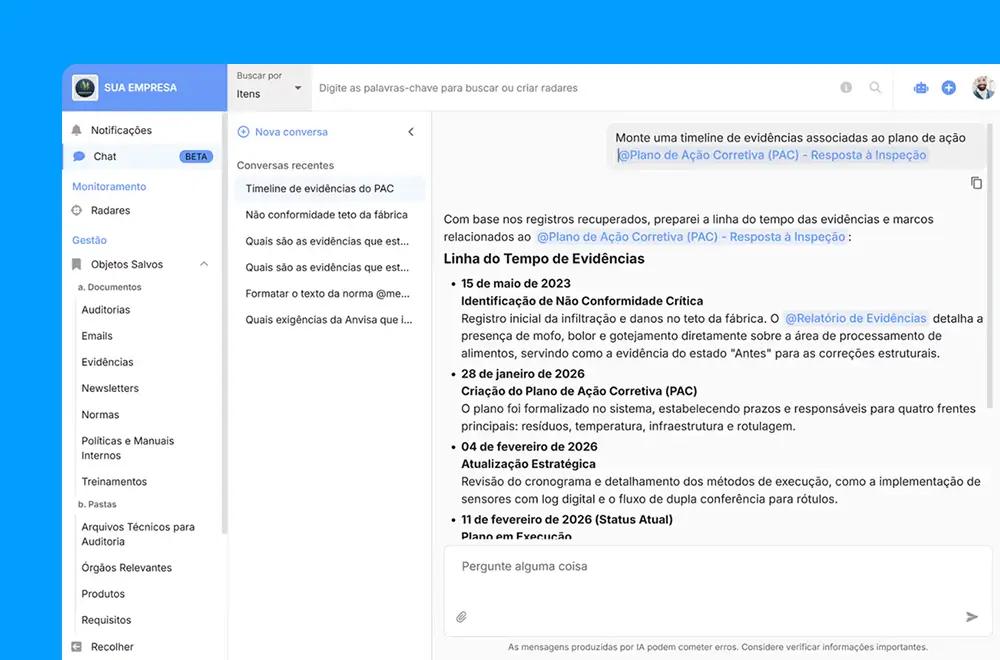
Returning to the previous example: AI could analyze your schedule at 5 a.m. and check who you will be meeting during the day. Proactively, it could gather information on Sigalei about your stakeholders and generate a summary report of their activities over the past few months, including details you might forget, boosting your results. This is possible because it is a task with few hierarchical layers, with predefined and easily manageable instructions.
In other words, for AI to work properly, you need to hierarchize your actions and “put your house in order” so that it can reach where it needs to. For this, a system like Sigalei is necessary to discipline these Artificial Intelligence agents.
Conclusion and next steps
By combining strengths such as summarization, organization, and automation, AIs drive leaps in team efficiency, especially in government relations. To apply this in your daily routine, try structured prompts and specialized tools, which maximizes results without falling into the “stupid effect” traps.
Want to optimize your AI strategy? Let's talk!
__________________________________
Be sure to also read our article Why is Sigalei much more than a SaaS? and see how to transform complexity into actionable insights and efficiency.