
*The information contained in this article does not represent political positions or opinions of Sigalei. This text has an academic purpose and aims to reveal new talents among International Relations students at ESPM.
Bill No. 2630/2020, known as the “Fake News Bill”, proposes the creation of the Brazilian Law of Freedom, Responsibility, and Transparency on the Internet. Its main objective is to regulate the operation of digital platforms in Brazil, establishing measures that promote transparency and responsibility in combating disinformation. The project was presented by Senator Alessandro Vieira, representing the state of Sergipe and currently affiliated with the Brazilian Democratic Movement (MDB). The author's party history includes periods in the Sustainability Network (REDE) (2016–2018), Citizenship (2018–2022), and PSDB (2022–2023), having joined the MDB in 2023.
The motivations for creating the bill include the need to combat disinformation through mechanisms that reduce the spread of fake news, which can negatively influence society. In addition, the project seeks to promote transparency on digital platforms, requiring clear measures regarding shared and sponsored content. Finally, Bill 2630/20 also aims to define the responsibilities of digital service providers in controlling and monitoring harmful content.
Stakeholders
- Parliamentarians
The debate on Bill 2630/2020 revealed a strong division in the Brazilian political scenario. On one hand, progressive parliamentarians, such as Senator Alessandro Vieira (Cidadania-SE), author of the project, and Deputy Orlando Silva (PCdoB-SP), rapporteur in the Chamber, have defended the bill as essential to combat disinformation and regulate the responsibility of digital platforms. Both believe that the project contributes to protecting democratic processes and ensuring greater transparency in the digital environment. On the other hand, conservative parliamentarians, such as Bibo Nunes (PL-RS), position themselves against the project, arguing that it can open room for censorship and threaten freedom of expression. This opposition reflects the ideological alignment of parties such as the PL, PSL, and Republicans, which frequently question regulations that may limit individual freedom or impact digital businesses.
The influence of parliamentarians on Bill 2630/2020 is also linked to their role in strategic committees. Parliamentarians such as Altineu Côrtes (PL-RJ) and Capitão Alden (PL-BA) have used their position in committees such as Public Security and Constitution and Justice to block or delay the project's progress. Meanwhile, members
of progressive parties, such as Reginete Bispo (PT-RS), articulate support among their benches, aligned with the guidelines of their parties, which see the bill as a crucial measure for defending democracy.
- Technology Companies (Big Techs)
Large technology companies, known as Big Techs, have been the main opponents of Bill 2630/2020. Companies such as Google, Meta (Facebook and Instagram), Telegram, and Twitter argue that the project can generate high operational costs due to the need for greater content moderation and monitoring of their platforms. Furthermore, they highlight the risk that excessive regulations may harm freedom of expression and technological innovation. Some of these companies have promoted advertising campaigns against the project, warning of the impacts on the digital economy and users.
- Press Organizations
The traditional press has been one of the strongest voices in favor of Bill 2630/2020. Entities such as the National Association of Newspapers (ANJ) and the Brazilian Association of Radio and Television Broadcasters (Abert) highlight that disinformation on digital platforms directly affects the credibility and sustainability of professional journalism. The support of these organizations is based on the idea that the bill is necessary to create a fairer competitive environment, in which serious journalism is not harmed by false or manipulative content amplified by social media.
In addition, Abraji (Brazilian Association of Investigative Journalism) has defended the project as essential to protect journalists and the public from disinformation campaigns that impact public debate. These organizations have actively participated in public hearings and contributed with studies that reinforce the urgency of regulation in Brazil.
- Other Civil Society Entities
Organized civil society plays a central role in promoting Bill 2630/2020. Groups such as the Rights on the Network Coalition, which brings together several NGOs, and the Articulation Room against Disinformation (SAD), formed by more than 100 organizations, are
defenders of the project. They argue that the regulation of digital platforms is fundamental to guarantee a safer and more transparent digital environment. Furthermore, entities such as the Alana Institute draw attention to the impacts of disinformation on children and adolescents, highlighting the importance of protecting these vulnerable groups.
On the other hand, some civil society organizations, such as the Institute of Technology and Society (ITS), adopt a critical stance towards the project. Although they recognize the need for regulation, they warn of the risk that the current text could be interpreted disproportionately, leading to censorship or excessive control over content.
- Public Opinion
The Brazilian public is divided regarding Bill 2630/2020. On one hand, there is strong support from mobilized groups that see the project as essential to combat fake news and protect the integrity of elections and democracy. In contrast, there is significant resistance from conservative sectors and defenders of digital freedom, who fear that the project could limit freedom of expression and individual autonomy on social media. This division reflects the complexity of the theme and the need for a political articulation that balances different interests.
Processing Analysis:
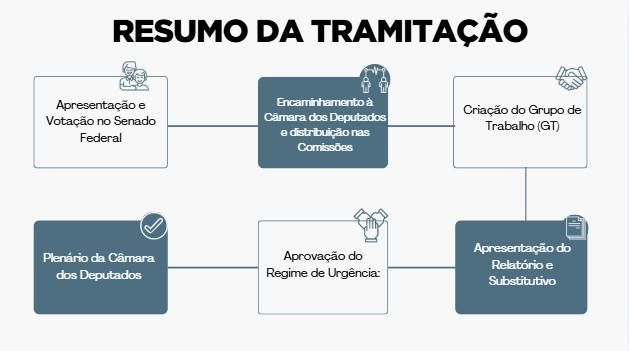
Source: Own elaboration based on information from Sigalei and the Chamber of Deputies, 2024.
Bill No. 2630/2020 began its processing in the Federal Senate, where it was presented on May 13, 2020, and analyzed in the Constitution, Justice and Citizenship Committee (CCJC) under the rapporteurship of Senator Ângelo Coronel (PSD-BA). After debates on transparency, responsibility of digital platforms, and freedom of expression, the project was approved in the Senate Plenary on June 30, 2020, with 44 favorable votes, 32 against, and 2 abstentions. Then, the project was forwarded to the Chamber of Deputies on July 3, 2020, where it began to be analyzed in various committees and in the Plenary.
In the Chamber, the processing had an initial analysis by the Communication Committee (CCOM), where issues related to the responsibility of digital platforms, content moderation mechanisms, and transparency were debated. Subsequently, the project advanced to the Finance and Taxation Committee (CFT), under the presidency of Deputy Júlio César (PSD-PI) and rapporteurship of Felipe Rigoni (PSB-ES); the costs and financial impacts of the proposed measures were discussed, as well as potential burdens for digital platforms and the government.
Later, the project was submitted to the analysis of the Constitution and Justice and Citizenship Committee (CCJC), chaired by Deputy Bia Kicis (PSL-DF) and reported by Deputy Fábio Trad (PSD-MS). In this committee, the main objective was to evaluate the
compatibility of the project with the Federal Constitution, paying special attention to the protection of freedom of expression and the analysis of potential censorship risks. The CCJC worked to ensure that the final text was aligned with fundamental rights provided in Brazilian legislation.
In 2021, the Working Group (GT) was created to address Bill 2630/2020 due to the complexity and relevance of the theme. Coordinated by Deputy Orlando Silva (PCdoB-SP), the GT aimed to deepen the debate by promoting public hearings and, thus, integrating the perspectives of different stakeholders into the discussion. During its activities, the group held 15 public hearings and consulted more than 150 experts, including representatives from technology companies, civil society organizations, and academics. Discussions centered on topics such as algorithm transparency, the relationship between freedom of expression and content moderation, and the responsibility of digital platforms in combating disinformation.
As a result, the report prepared by the GT provided the foundation for the substitute later presented by the rapporteur.
The substitute was presented in April 2023, consolidating the GT's contributions and proposing adjustments to the project's original text. Deputy Orlando Silva, the general rapporteur of the bill, elaborated considerations and substitutes with the aim of improving the proposal and seeking consensus among parliamentarians. On April 25, 2023, the Urgency Regime was approved, dispensing with the final processing in the remaining committees, such as the Finance and Taxation Committee (CFT) and the Constitution and Justice and Citizenship Committee (CCJC). The approval of the Urgency Regime prioritized forwarding the project directly to the agenda of the Chamber of Deputies Plenary.
Currently, the project is in the Chamber of Deputies Plenary, awaiting a vote. However, despite the progress, the project faces resistance from some political groups and technology companies, who raise concerns about operational costs and possible limitations on freedom of expression.
Analysis of “Proposition Temperature”
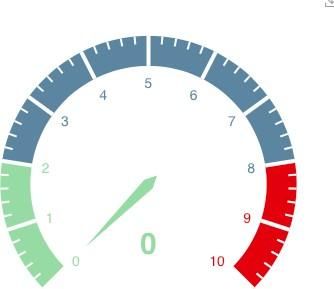
Source: Sigalei, 2024. Accessed on November 20, 2024
The “Proposition Temperature” of Bill 2630/2020, presented by the Sigalei platform, demonstrates that the project has a temperature of 0%, indicating that it has not registered significant movements in the last 90 days compared to other legislative propositions of the same type. This index reflects that, even after the approval of the urgency regime in April 2023, there were no substantial advances in the project's progress. This lack of progress suggests that issues such as the absence of efficient political articulation or the prioritization of other topics in the Legislature may be contributing to the project's stagnation. Therefore, Bill 2630/2020 faces difficulties in ensuring its effective processing, even though it is a highly relevant theme for the regulation of the digital environment in Brazil.
Speed Chart Analysis
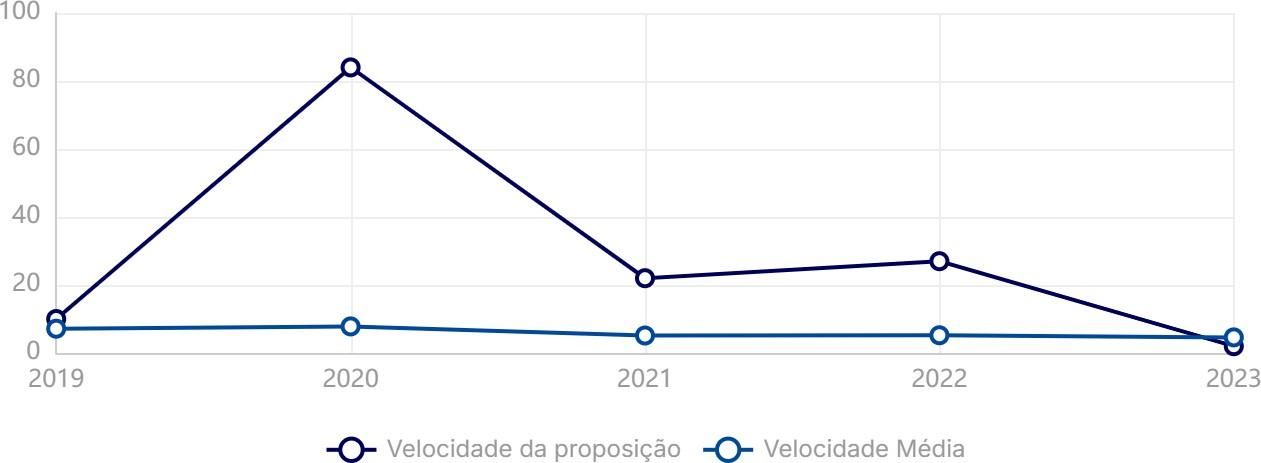
Source: Sigalei, 2024. Accessed on November 20, 2024
The chart presented shows a significant initial acceleration in the processing of Bill 2630/2020 in 2020, especially after its approval in the Senate. However, between 2021 and 2022, the speed of processing dropped drastically, reflecting the phase of deepening technical discussions with the creation of the Working Group (GT) and the holding of public hearings. During this period, debates focused on adjustments to the text and consultations with various stakeholders, which reduced the pace of legislative movements.
In 2023, there was an expectation of resuming the speed of processing after the presentation of the substitute by the rapporteur and the approval of the urgency regime in April. However, the data demonstrate that no concrete advances occurred in forwarding it to a vote in the Plenary, indicating persistent stagnation of the project, even with efforts to accelerate its appraisal.
Scenario for the Advancement of Bill 2630/20
The advancement of Bill 2630/2020 faces significant challenges, such as political polarization and resistance from parliamentary groups who fear censorship risks and limitations to freedom of expression, as well as raising concerns about the use of the law to restrict dissenting opinions or criticisms of the government. The lack of consensus among party leaders exacerbates these difficulties, hindering the necessary articulation to bring the project to a vote in the Plenary. Another relevant obstacle is the opposition of technology companies, such as Facebook and Google, which highlight high operational costs and possible negative impacts on their business models based on advertising and algorithms. In addition, prioritizing legislative agendas such as tax reform, budget, and public security limits the space for discussing the project.
On the other hand, pressure from civil society, represented by organizations such as Abraji and the Rights on the Network Coalition, reinforces the need to regulate digital platforms to combat disinformation and protect democracy. Academics and journalists have also contributed analyses highlighting the importance of balanced, transparent, and proportional regulation. The electoral context, marked by increased damage caused by disinformation, such as attacks on electoral integrity and manipulation of public debates, could push parliamentarians to prioritize the project.
Furthermore, some technology companies have engaged in the discussions, suggesting changes to make the project more viable and minimizing potential impacts on
their businesses. Parliamentarians aligned with the topic, such as Deputy Orlando Silva (PCdoB-SP) and Senator Alessandro Vieira (Cidadania-SE), remain at the forefront of efforts to enable the approval of Bill 2630/2020, emphasizing its importance in creating a safer, more transparent digital environment committed to protecting fundamental rights and democratic integrity in Brazil.
Conclusion
Bill 2630/2020 reflects a robust attempt to establish a regulatory structure that combats disinformation and promotes greater transparency in the Brazilian digital environment. Despite significant advances in its processing, such as approval in the Senate, the creation of the Working Group, and the presentation of a substitute in the Chamber, the project currently faces a state of stagnation. An analysis of the temperature and speed of processing shows a loss of political momentum, even after the approval of the urgency regime, highlighting the need for greater coordination among parliamentarians and consistent pressure from civil society.
Each Chamber committee played a crucial role in constructing a more balanced and comprehensive text. CCTCI led technical discussions, while CFT and CCJC evaluated the financial impacts and ensured the project's constitutionality, respectively. The Working Group contributed by including diverse perspectives, integrating input from experts, companies, and civil society organizations, strengthening the project's technical foundation.
However, despite the efforts, challenges persist. Political polarization, resistance from tech companies, and the prioritization of other agendas in the Legislature have hindered the bill's progress. Conversely, factors such as civil society pressure, the worsening of damages caused by disinformation in the electoral context, and active stakeholder participation show that the project remains highly relevant for Brazil.
Completing the processing of Bill 2630/2020 is essential to create digital regulation that protects democratic integrity and combats the spread of Fake News. Although the path so far has been marked by challenges, the progress in committees and the discussions held indicate that there is a solid foundation to secure its approval. The project's future will depend on the capacity for political articulation and
social engagement to overcome existing barriers and ensure the construction of a more responsible and transparent digital environment.