
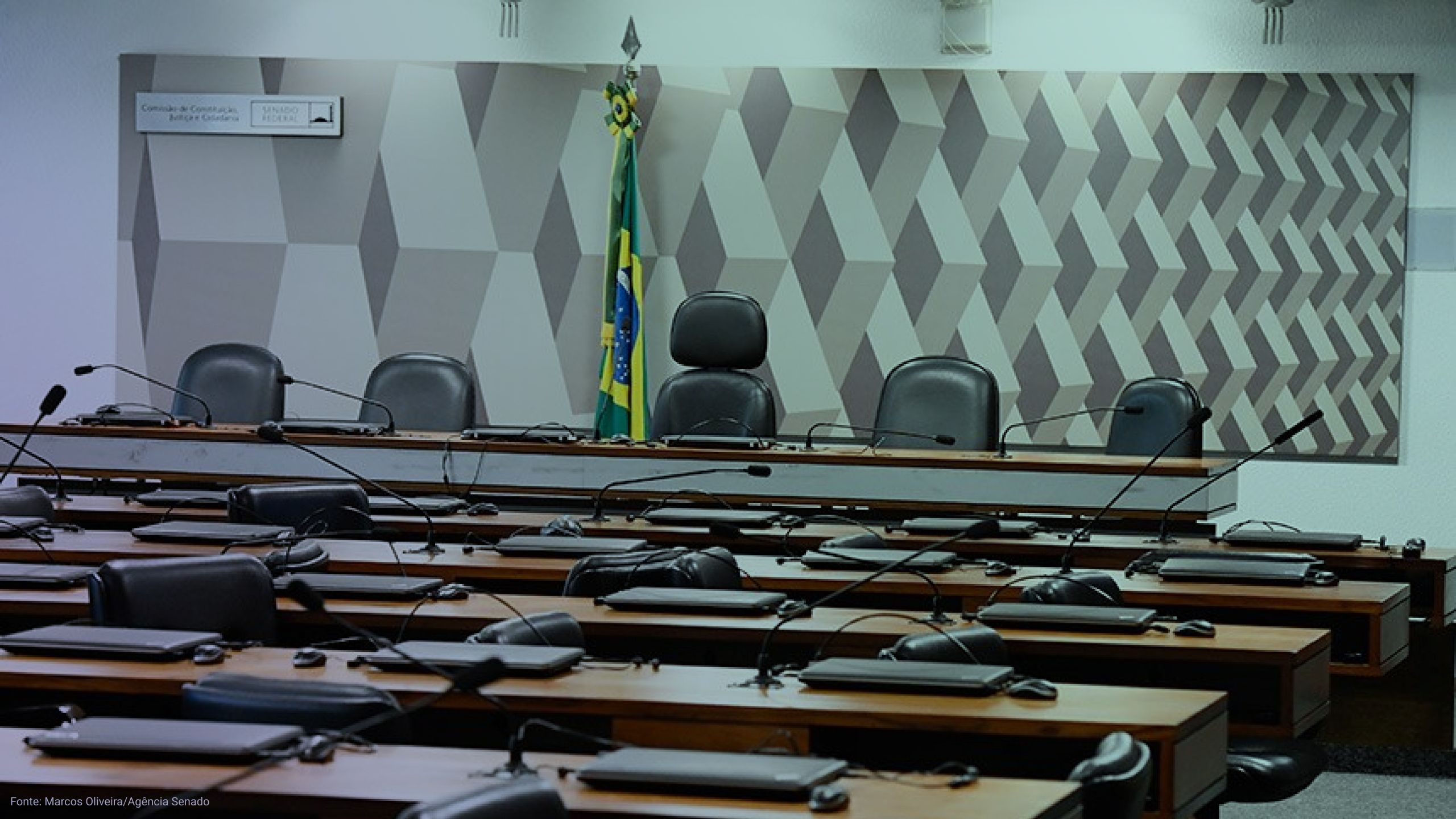
A Parliamentary Inquiry Commission (CPI) is one of the main oversight tools of the Legislative Branch in Brazil. Discover how it is formed and its impact on the political scenario.
In recent months, the term CPI has dominated headlines and political debates in Brazil. But do you know exactly what a Parliamentary Inquiry Commission is and how it works? Established by the Federal Constitution, the CPI is a temporary commission created by the Chamber of Deputies or the Federal Senate (or both, in the case of a CPMI) to investigate facts of relevant public interest.
How a CPI is formed
To create a CPI, a request signed by at least one-third of the members of the respective house (51 senators or 171 deputies) is required. The request must specify the determined fact to be investigated and the duration of the commission.
Powers and Importance
CPIs have 'investigative powers characteristic of judicial authorities'. This means they can summon witnesses, request documents, and break bank, fiscal, and telephone confidentiality. Their importance lies in the capacity to shed light on irregularities and pressure the Executive Branch, playing a fundamental role in the system of checks and balances of democracy.