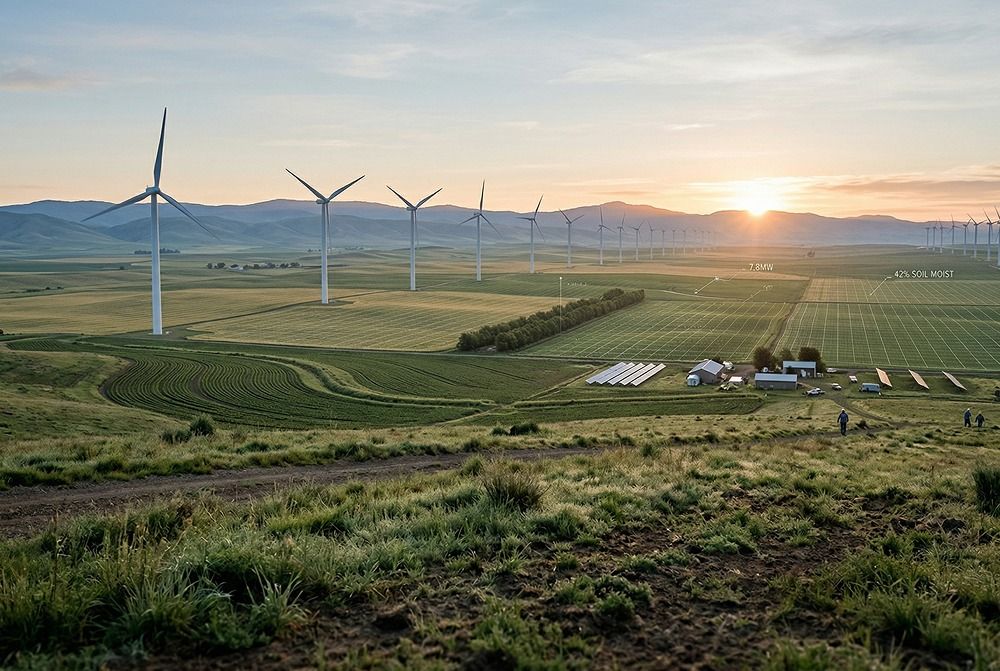

With each passing year, there is more talk about the importance of sustainability in markets in general. Just as various sectors have been adapting in recent times to the themes of ESG (Environmental, Social, and Corporate Governance), the development of the Green Economy, which has been discussed for decades, is considered a sustainable alternative to the current economic model. In 2021, this alternative gained even more momentum and visibility due to the COVID-19 pandemic, when environmental and social issues gained weight in the recovery of economies, placing agribusiness as one of the protagonists in this process. For Brazil, this is good news, since Brazilian agribusiness has been playing a fundamental role in the country's economic growth.
In addition to making Brazil one of the world's main exporters over the last few years, the agribusiness GDP corresponded to 26.6% of the Brazilian GDP in 2020, according to data from the Center for Advanced Studies in Applied Economics (CEPEA) in partnership with the Brazilian Confederation of Agriculture and Livestock (CNA). However, the challenges are still great. Starting with guaranteeing an increasingly sustainable, inclusive, productive, conscious, technological, and capable production. It is at this moment that we analyze the role of the National Congress in the production and maintenance of regulations that strengthen the development of the green economy and the adherence to sustainability in business.
The Government, in addition to playing an important role in regulations and the dissemination of projects with green potential, is also the protagonist body in public representation in the face of international sustainable development initiatives, such as the last United Nations Climate Change Conference of 2021 (COP26).
The aforementioned ESG principles are cross-cutting and multidisciplinary, making it possible to recognize them in various laws and norms in the Brazilian regulatory framework. From an economic point of view, this is an important factor in the decision-making of an investor who is attentive beyond corporate practices, but also to the political-institutional and regulatory context of the region in which they operate or will operate.
Brazil, despite facing periods of instability in its economy, has given important nods to demonstrate its interest regarding the development of sustainable business. Therefore, we joined efforts between the firm Di Blasi, Parente & Associados and the Sigalei platform to understand how the National Congress is approaching the issue in proposed new laws and regulations under discussion in the legislature.
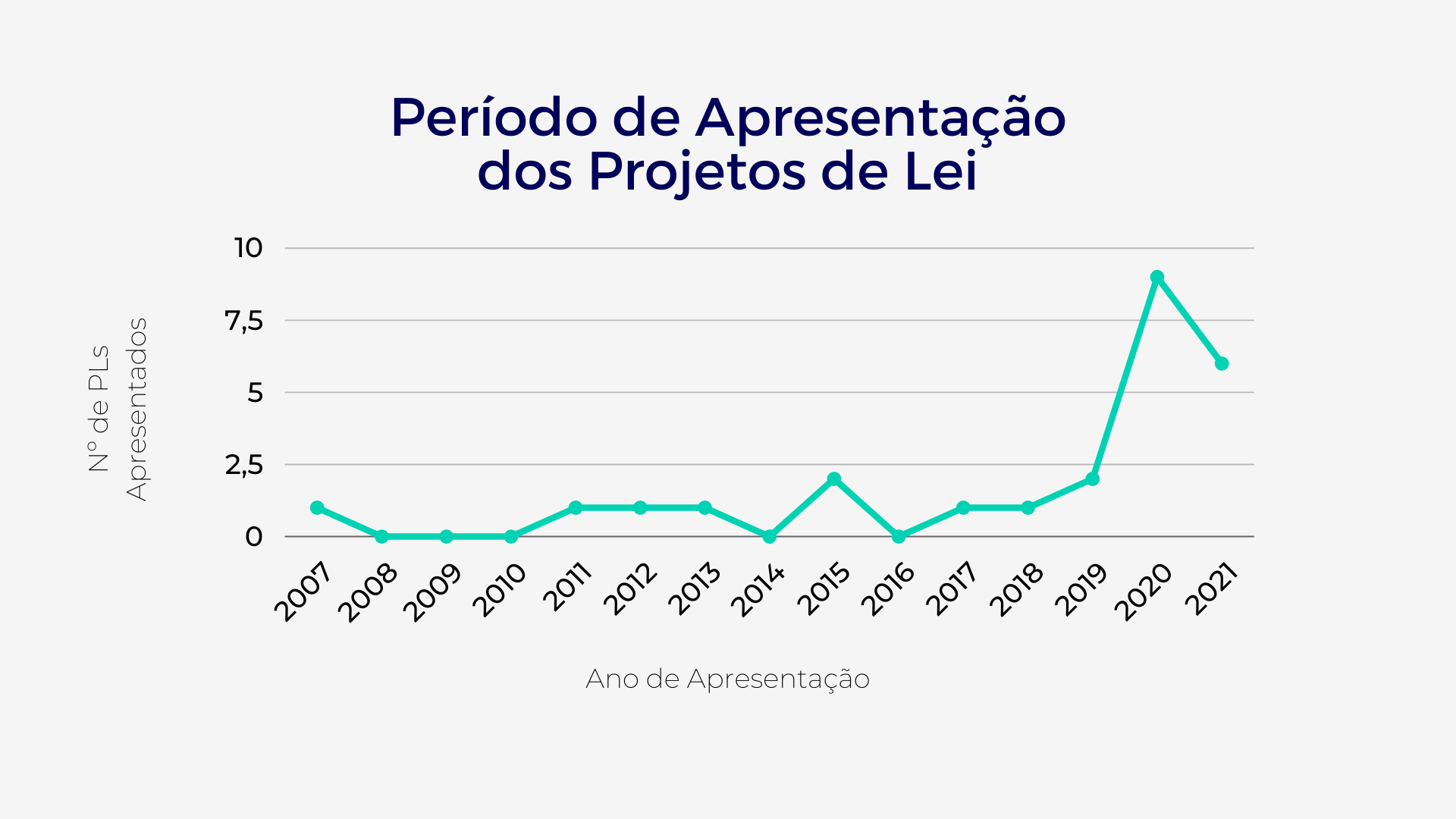
According to a survey carried out, 32 propositions being processed were found that relate to the themes of Agribusiness, Sustainability, Green Economy, and ESG. Looking at the graph below, which shows the dates of presentation of the Bills dealing with this, it can be observed that the issue has grown considerably in the federal legislature from 2015 onwards, showing a peak in 2020. This significant high can be explained by the pandemic period and the intensification of debates about climate change, as seen at COP26.
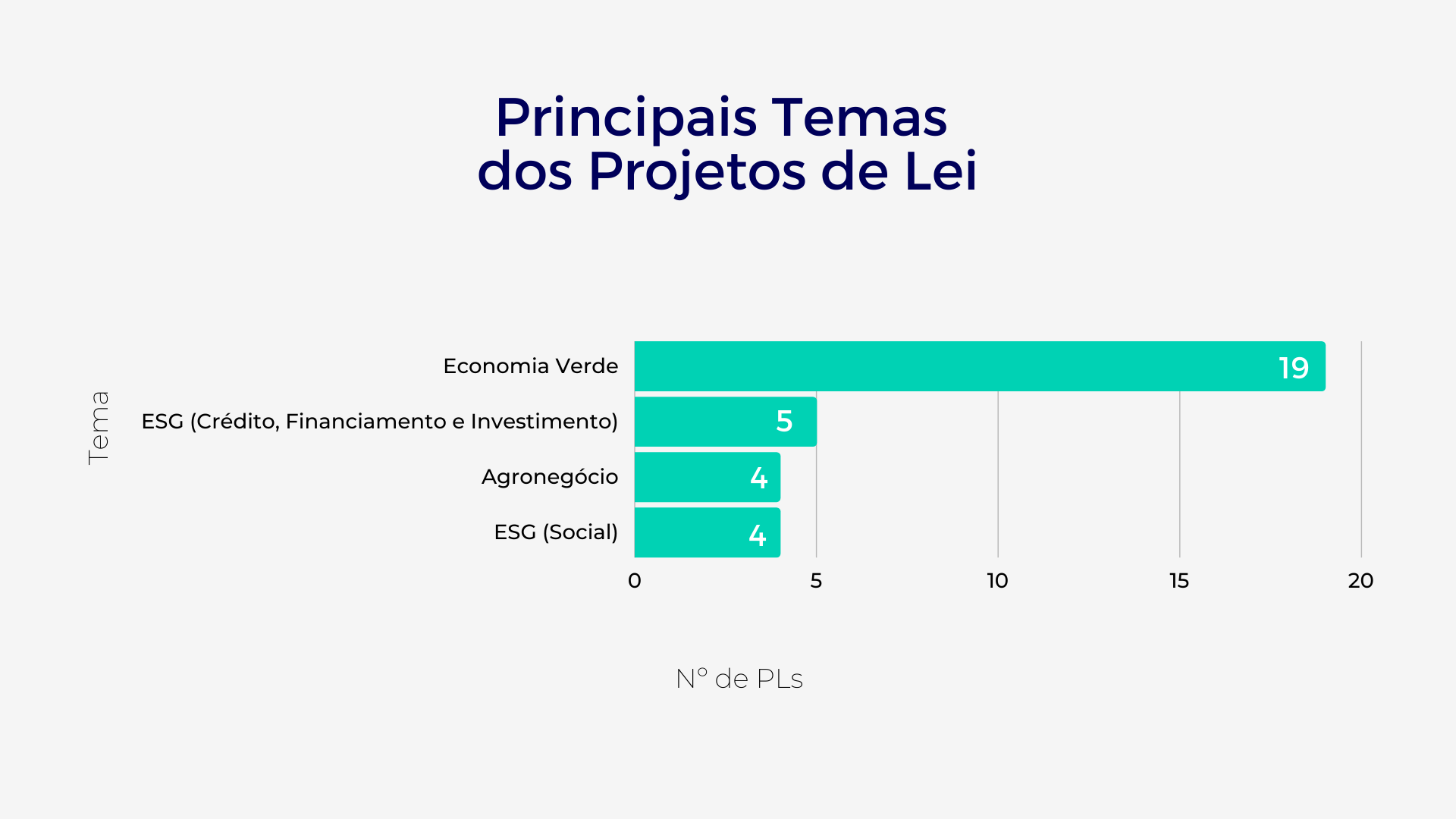
In more detail, still according to the survey, we note that the green economy is the main issue presented in the propositions in the National Congress.
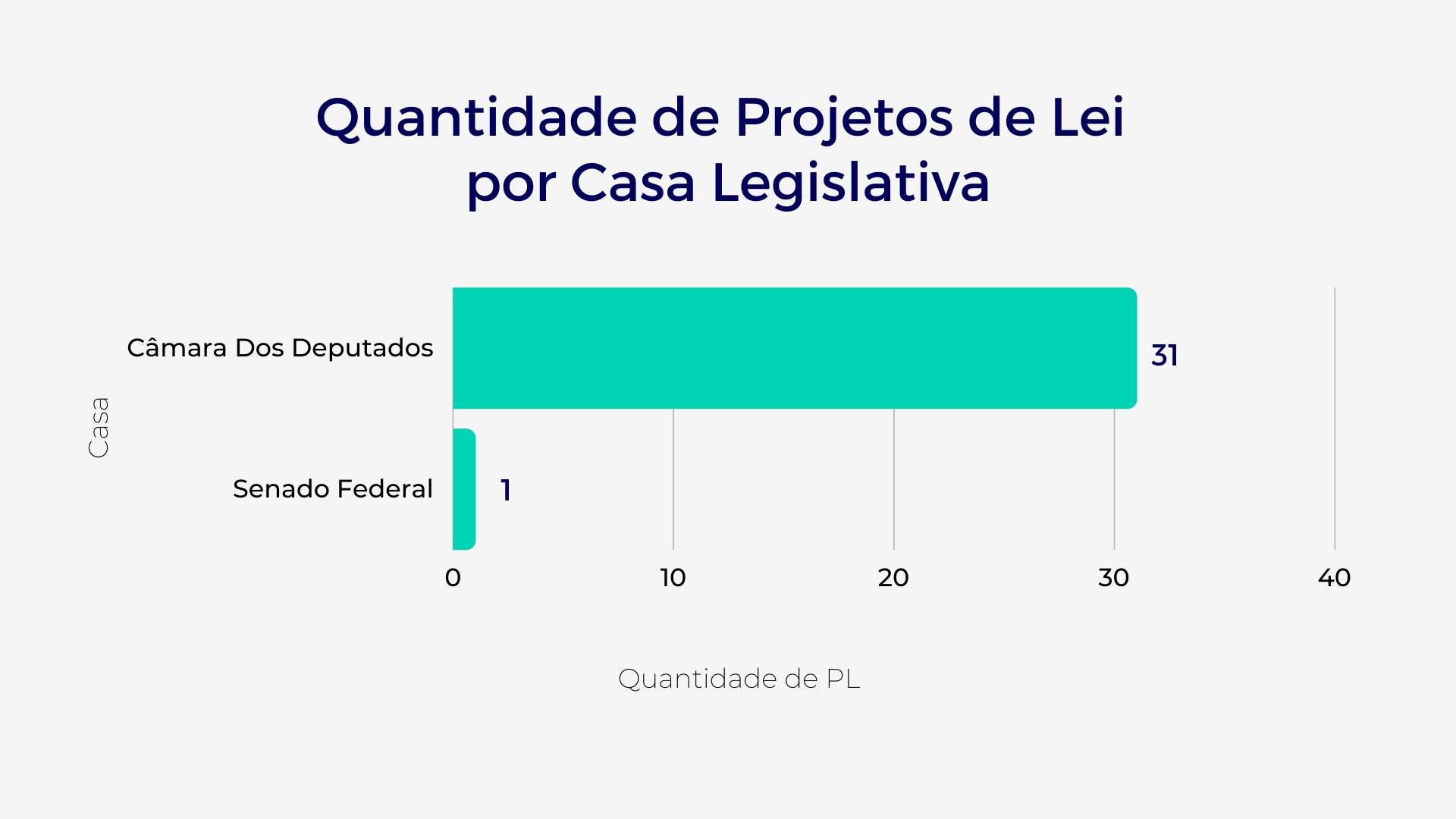
Of the bills mapped on the themes above, the vast majority were presented and are being processed in the Chamber of Deputies (as shown in the graph below). From this, we can understand that issues of sustainability, green economy, and ESG related to Agribusiness are mostly matters of interest to society in general, since they are being put up for debate in the Chamber (where Deputies represent the population). On the other hand, the Senate, which represents the interests of the States and has a single bill with a major impact, PLS 202/2013, which establishes the National Policy to Stimulate the Transition to the Green Economy.
In addition to this survey of bills, it is worth noting that the government is currently already developing various initiatives related to the green economy. One of them is the Sustainable Legislative Network, created by the Federal Court of Accounts, the Federal Senate, the Chamber of Deputies, and other bodies and entities of public administration and civil society, which pursues common interests and promotes discussion and the proposal of issues and initiatives relating to sustainable and efficient public management in the Legislative Branch.
The result of this mapping, which showed more comprehensively how the legislature is approaching topics with a major impact on Agribusiness, will be an e-book detailing the bills that remain on the agenda for 2022. Keep an eye on our publications to gain access to this free material, which can serve as support for planning monitoring and government relations actions in 2022.
______________________________________________________
Click and learn more about the specialist Government Relations area at Di Blasi, Parente & Associados.
Contact Sigalei and turn data into political knowledge for your organization