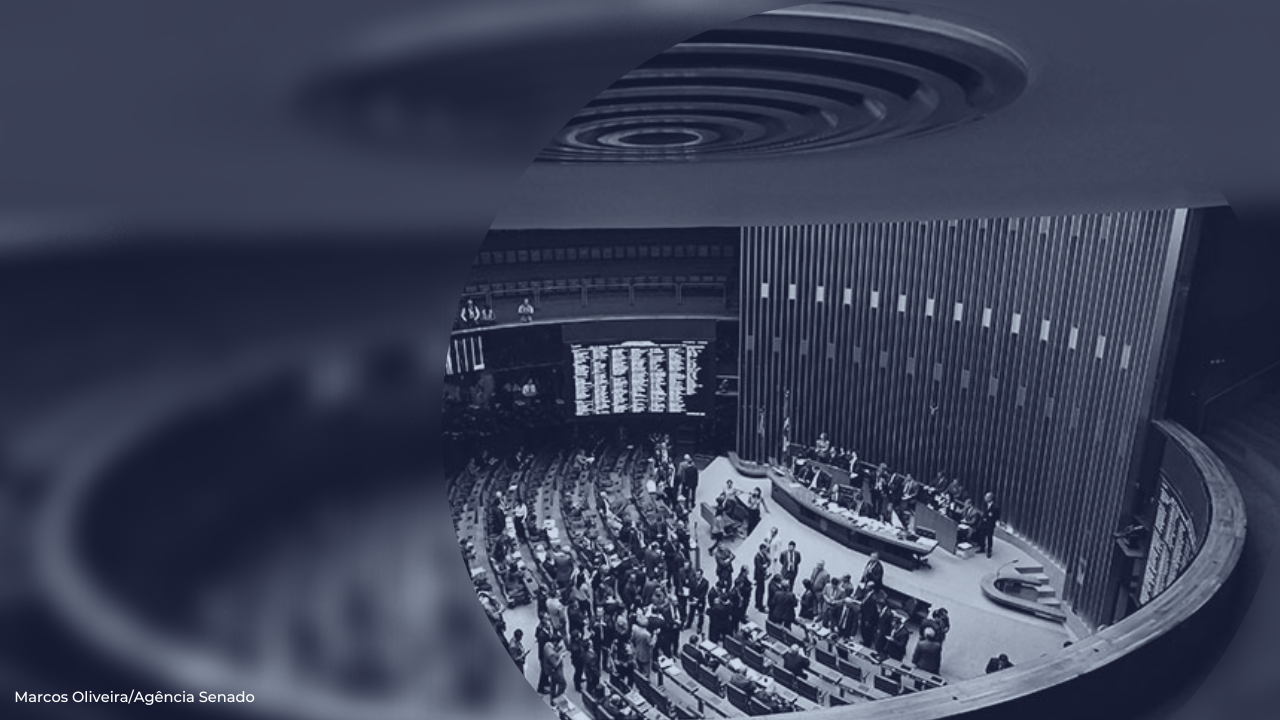
Tracking the legislative branch to identify risks and opportunities being built is essential for intelligence analysts and monitoring government and institutional relations. It is a daily task that requires attention and careful analysis so as not to miss relevant movements and windows of opportunity. Therefore, conducting the analysis constantly and structured is crucial to ensure an accurate and efficient process.
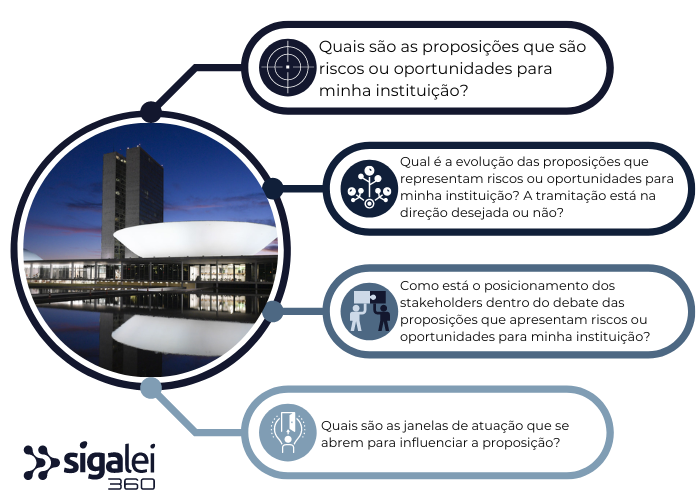
In this sense, we will share the tips that our analysts use daily. The essence of our methodology is to follow a checklist of questions that need to be answered for the propositions being analyzed, which are described below:
PHASE: IDENTIFICATION
What are the propositions that are risks or opportunities for my institution?
1 - What is the impact of the identified proposition for the organization?
2 - What is the relative positioning of the institution in relation to the proposition?
3 - What is the expected outcome of the proposition?
4 - What topic of interest to the institution does the proposition fit into?
PHASE: MONITORING LEGISLATIVE PROCEDURES
What is the evolution of propositions that represent risks or opportunities for my institution? Is the procedure heading in the desired direction or not?
1 - What stage is the legislative proposition at? What will be the next steps? What is the speed of the proposition's procedure?
2 - Has there been a change in the scope of the project? What were these changes? Do the scope changes alter the impact, positioning, and expected result?
3 - Is this proposition scheduled on the agenda of any committee or in plenary?
What is the positioning of stakeholders within the debate of propositions that present risks or opportunities for my institution?
1 - Who are the stakeholders involved in the debate of the proposition that presents risk or opportunity?
2 - How are stakeholders positioning themselves in the proposition's debate? What actions are taking place to advance and/or hinder the progress of the procedure?
3 - Are there new positions and information within the same theme of the proposition?
4 - Did the subject have repercussions on social media and news outlets? And in the Executive?
PHASE: OPPORTUNITIES FOR ACTION
What are the windows for action that open to influence the proposition?
1 - Did the formal legislative process open opportunities for action?
2 - Which stakeholders are open to conversation and negotiation?
3 - What will be the events taking place to debate the proposition?
***
This method, adopted here at Sigalei, has been fundamental in identifying risks and opportunities in the legislative branch for our clients relying on the intelligence service, providing the assurance that all relevant information was analyzed, and the windows of action detected, thanks to systematization in analysis.
However, we are also happy to share what we know with the entire Sigalei community, and should you wish to contribute ideas or ask questions, send us a message - it would be great to talk to you.
Looking forward to your message!
Do you want to know about our intelligence service? Send a message on WhatsApp or send a message here.